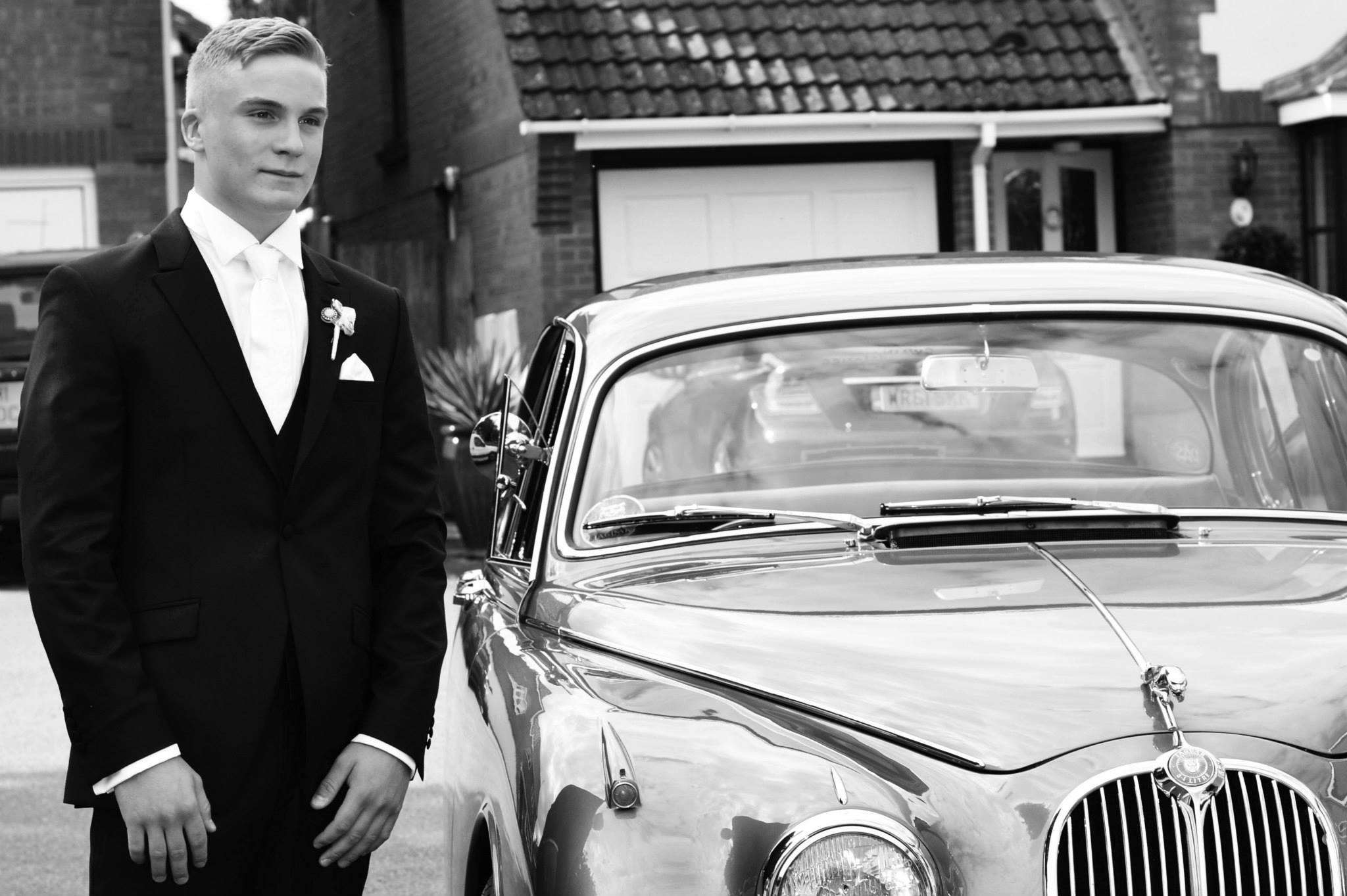
Wedding Community – Ask The Expert Column: Professional Suit Hire Advice
Choosing the right suit for your wedding day represents one of the most important sartorial decisions you'll make. Whether you're considering suit hire or bespoke tailoring, the colour, style and fit of your wedding attire will not only define how you look in photographs for years to come, but also how confident you feel standing at the altar. This comprehensive guide draws on decades of formal menswear expertise to help grooms navigate the often overwhelming world of wedding suits.
The question "Black, Grey, Brown or Blue?" might seem straightforward, but the answer involves far more consideration than simply choosing your favourite colour. Your wedding suit needs to complement your natural features, coordinate with your wedding's colour scheme, flatter your build, and align with the formality of your venue and ceremony. Understanding these interconnected factors will help you make an informed decision that you'll be proud of for a lifetime.
Understanding How Your Personal Features Influence Suit Selection
The suit colour that works perfectly for your best man might look entirely wrong on you, and this comes down to individual features rather than personal preference. Your colouring, build, height, and even personality should guide your choice far more than passing trends or that striking suit you admired at a friend's wedding last summer.
Consider a groom with fair hair, lighter complexion, and a fuller build in his mid-thirties. A cream or light-coloured suit might seem appealing for a summer wedding, but could actually wash out his features and emphasize rather than flatter his proportions. Similarly, someone with darker colouring and a slimmer frame can carry bolder colours and lighter shades that would overwhelm someone with different features. This isn't about limiting your options but rather about understanding which choices will photograph well and make you feel genuinely confident.
Height also plays a significant role. Taller grooms can wear three-piece suits without appearing disproportionate, whilst shorter grooms often benefit from two-piece suits with higher button stances that create the illusion of length. The texture and pattern of the fabric matters too – vertical stripes can elongate, whilst horizontal elements or bold checks can add visual width. These are the nuances that professional formal menswear specialists understand and can guide you through during a proper consultation.
Personality shouldn't be overlooked either. Some grooms naturally gravitate toward classic, understated elegance, whilst others want to make a bolder statement. A traditional morning suit speaks to formality and heritage, whilst a modern navy suit with contemporary styling reflects a more relaxed, personalized approach. Neither is right or wrong – they simply serve different personalities and wedding styles. The key is ensuring your choice feels authentically you, not like you're wearing a costume.
Coordinating Your Suit With Wedding Colour Schemes
Your wedding suit doesn't exist in isolation. It needs to harmonize with your partner's dress, the bridesmaids' gowns, your floral arrangements, and the overall aesthetic you're creating. This is where many grooms encounter unexpected challenges, particularly when they've already settled on a specific suit colour before considering the broader palette.
The current trend toward electric or French navy suits illustrates this perfectly. Whilst undeniably handsome, this brighter navy can actually clash with certain colour schemes or dilute the impact of your chosen accessories. If your bridesmaids are wearing burgundy, for instance, a bright navy can create visual discord. A darker traditional navy or charcoal grey might actually allow that burgundy to sing whilst still providing a sophisticated backdrop.
Light-coloured suits – summer-weight silver greys, light stone, or soft browns – offer remarkable versatility for spring and summer weddings. These neutral tones allow your accessories to become the focal points. A light grey suit with burgundy ties and pocket squares creates striking contrast, whilst the same accessories against a bright navy might appear muddied or less defined. This is why experienced formalwear consultants often recommend starting with your wedding's colour palette and working backward to the suit, rather than the reverse.
Darker suits – charcoal, deep navy, or black – provide timeless formality and photograph exceptionally well. They're particularly effective for autumn and winter weddings, evening ceremonies, or more formal venues. These deeper tones create natural contrast with lighter shirt colours and allow your buttonhole or boutonniere to stand out beautifully. They also tend to be more forgiving across different lighting conditions, from bright outdoor settings to dimly lit historic venues.
The Suit Hire Versus Bespoke Tailoring Decision
This represents perhaps the most fundamental choice you'll make in your wedding suit journey. Both options have distinct advantages, and the right answer depends on your budget, timeline, future wardrobe needs, and how important perfect fit is to you.
Suit hire offers several compelling benefits. The financial advantage is obvious – you'll spend a fraction of what a quality suit purchase would cost, leaving more budget for your honeymoon or other wedding priorities. You gain access to styles you might wear only once, such as traditional morning suits with tailcoats, without the commitment of ownership. Modern hire services offer excellent quality garments that photograph beautifully, and you needn't worry about storage, cleaning, or whether you'll still fit the suit in five years.
Professional hire services also provide significant practical advantages. Your groomsmen can be fitted separately, even if they live in different cities, with garments coordinated perfectly through the hire company's network. You'll receive expert styling advice, and if someone's weight fluctuates before the wedding, adjustments or replacements can be arranged relatively easily. The return process means one less task during your honeymoon period – simply return everything and move on.
Bespoke tailoring and made-to-measure services offer different rewards. The fit will be genuinely personal to your body, accounting for dropped shoulders, longer arms, or any asymmetries that off-the-peg garments can't accommodate. You'll own a high-quality suit that can serve you for years of formal occasions, potentially making the per-wear cost very reasonable. The fabric choices are virtually unlimited, and you can include personal touches – monogramming, special linings, specific pocket configurations – that make the suit uniquely yours.
The timing consideration matters significantly. A proper made-to-measure suit requires multiple fittings over several weeks or months, whilst hire can often be arranged much closer to your wedding date. If you're planning twelve months ahead and value investing in quality tailoring, bespoke makes sense. If your timeline is tighter or your budget more constrained, professional hire delivers excellent results without compromise.
Why Professional Advice Trumps High Street Shopping
The temptation to simply visit a high street retailer and purchase a suit is understandable. It feels straightforward, quick, and familiar. However, this approach often overlooks the specialized knowledge that formal menswear specialists bring to wedding attire specifically.
Wedding suits face unique demands that everyday business suits don't encounter. They need to photograph well under various lighting conditions – harsh midday sun, soft church interior light, evening reception lighting with flash photography. They must remain comfortable through an entire day of standing, sitting, dancing, and embracing guests. They need to coordinate not just with your colouring but with multiple other people and elements in your wedding party and venue.
Specialist formalwear consultants understand these nuances intimately. They know which fabrics photograph best, which cuts remain comfortable during long ceremonies, and how different styles work with various body types. They can show you subtle variations in lapel width, button stance, and trouser break that you might not notice but that significantly affect your overall appearance. They've dressed thousands of grooms and understand the common pitfalls – the suit that looks perfect in the shop but photographs oddly, the colour that seemed ideal alone but clashes with the bridesmaids' dresses, the style that's fashionable now but will look dated in your photos in five years.
The trying-on process at a specialist also differs fundamentally from high street shopping. You'll be able to see complete outfits – suit, shirt, tie, waistcoat, shoes, accessories – assembled and coordinated. You can try multiple combinations, compare how different colours work with your complexion, and see how various accessories change the overall effect. This experimentation is invaluable and difficult to replicate when you're purchasing separate pieces from different retailers.
Perhaps most importantly, specialists offer objectivity. A good consultant will steer you away from choices that don't flatter you, even if it means suggesting a less expensive option. They'll explain why a particular combination isn't working and offer alternatives you might not have considered. This honest, expert guidance often makes the difference between looking good and looking exceptional on your wedding day.
Accessorizing Your Wedding Suit for Maximum Impact
The suit itself is only the foundation. Accessories – ties, pocket squares, cufflinks, waistcoats, buttonholes, shoes – provide the finishing touches that elevate your look from merely appropriate to genuinely memorable. Understanding how these elements work together separates adequately dressed grooms from exceptionally styled ones.
Waistcoats deserve particular attention. A three-piece suit with waistcoat creates a more formal, traditional appearance and photographs beautifully. The waistcoat allows you to remove your jacket during the reception without appearing too casual, maintaining a polished look throughout the evening. Colour and pattern choices here can introduce subtle interest – a tonal waistcoat in the same fabric as your suit for classic elegance, or a contrasting colour that picks up tones from your wedding palette for something more distinctive.
Ties and pocket squares offer the most straightforward way to introduce your wedding colours. However, matching them too literally can appear unsophisticated. A more refined approach involves complementary rather than identical colours – if your ties are burgundy, perhaps pocket squares in a deeper wine shade or a coordinating pattern. Texture also matters: silk ties photograph differently than wool or knitted varieties, and linen pocket squares offer summery informality whilst silk provides traditional formality.
Shoes are frequently overlooked but critically important. Black Oxford shoes remain the most formal choice, appropriate for morning suits and black-tie events. Brown shoes offer warmth and work beautifully with navy, grey, and brown suits for less formal weddings. The leather finish matters too – highly polished shoes suit formal occasions, whilst textured or suede shoes complement more relaxed celebrations. Your shoes will appear in photographs, particularly during detail shots, so ensure they're high quality and well maintained.
Buttonholes provide the final personal touch. Traditional choices include roses, carnations, or seasonal flowers that complement your bouquets. The positioning and size matter – oversized buttonholes can overwhelm smaller grooms, whilst subtle choices might disappear on broader frames. Coordinate with your florist to ensure your buttonhole works with rather than against your overall styling.
Getting the Timing and Logistics Right
Even with perfect style choices, poor timing or logistics can undermine your wedding suit plans. Understanding the practical timeline and coordination required ensures everything comes together smoothly on your wedding day.
For suit hire, booking early provides the best selection and ensures everyone in your party can be accommodated. Particularly for popular wedding months – May through September – hire companies can run low on certain sizes or styles. Booking three to six months ahead is sensible, with final fittings completed at least two weeks before your wedding. This allows time for any necessary adjustments and avoids last-minute stress.
If you're pursuing bespoke tailoring, allow significantly more time. Initial consultations, fabric selection, first fittings, adjustments, and final fittings typically span two to four months, sometimes longer for complex requirements or during busy periods. Starting this process nine to twelve months before your wedding provides comfortable margins for perfection. Remember that weight fluctuations can affect fit, so schedule your final fitting as close to the wedding as practical whilst still allowing time for minor adjustments.
Coordinating groomsmen presents its own challenges, particularly if they're scattered geographically. Professional hire services often have multiple locations or partner networks that can fit your groomsmen remotely and ensure consistency. Clear communication about expectations, timelines, and who's responsible for what prevents confusion. Some grooms cover all costs, others ask groomsmen to contribute – establish this early to avoid awkwardness.
Collection and return logistics need planning too. Who collects the suits, and when? Where will groomsmen dress on the day? Who's responsible for ensuring everything's returned promptly? These seemingly small details can cause significant stress if not addressed beforehand. Professional services often provide clear guidance and systems for managing these practicalities efficiently.
For more inspiration and real examples of successful wedding styling, explore our gallery showcasing previous grooms and their parties. You can also read about real weddings and how other grooms approached their suit decisions. Our award-winning service is built on helping grooms navigate exactly these decisions with confidence and expertise.
Ultimately, the right wedding suit choice balances personal style with practical considerations, incorporates professional advice, and aligns with your overall wedding vision. Whether you choose hire or bespoke, modern styling or traditional formality, the goal remains the same: looking and feeling exceptional as you celebrate one of life's most significant moments. Taking time to consider these factors carefully, consulting with specialists, and planning ahead ensures you'll achieve exactly that result.