What is Formal Wear?
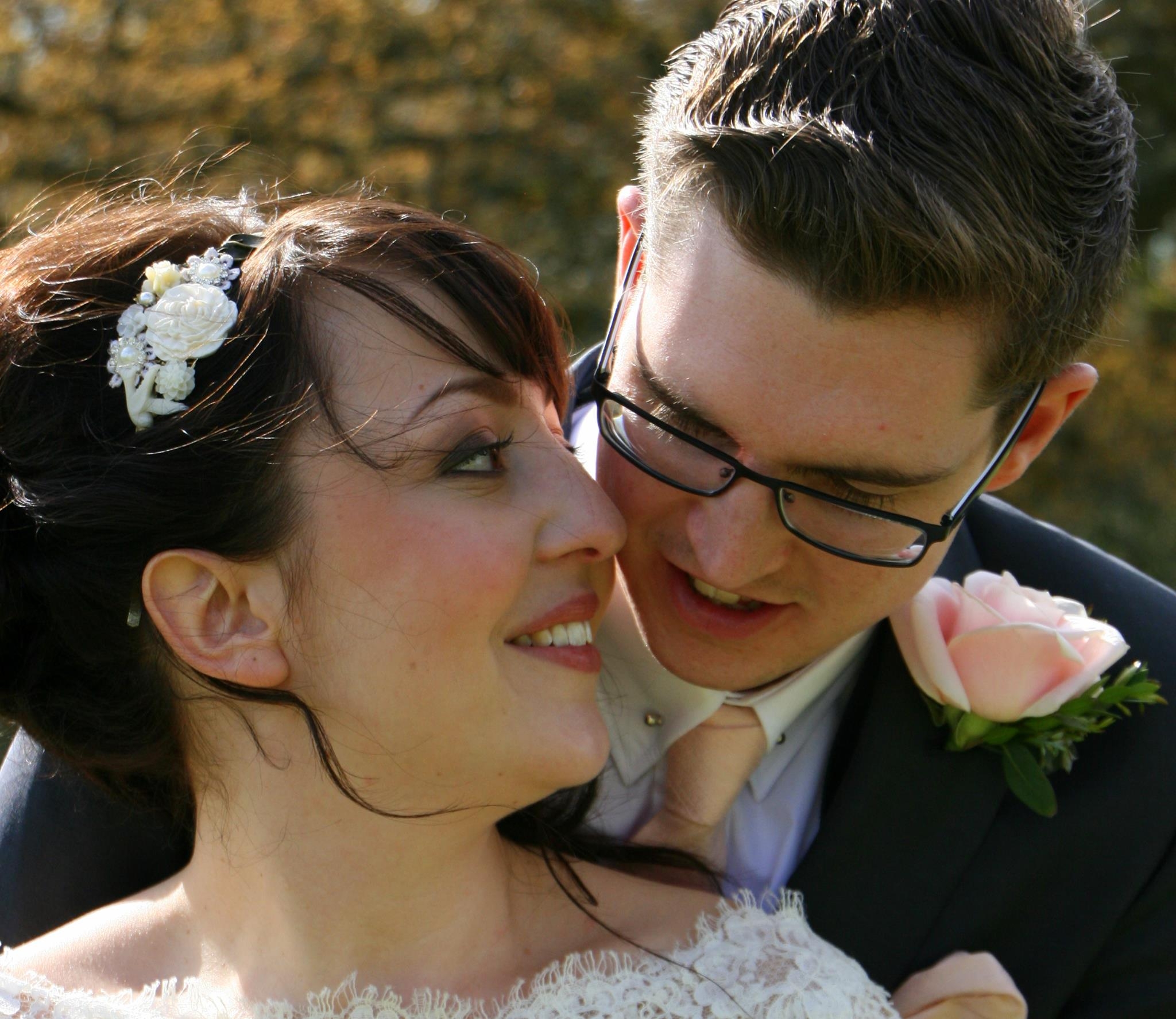
When planning a wedding, attending a prestigious event, or preparing for a formal occasion, the term "formal wear" appears repeatedly on invitations and dress codes. Yet for many grooms and guests across Surrey, Woking, and beyond, the phrase raises more questions than it answers. What exactly qualifies as formal wear? How does morning dress differ from black tie? And when should you choose a lounge suit over more traditional options?
At Stephen Bishop Suiting, we work with gentlemen navigating these questions daily. The confusion is understandable: "formal wear" encompasses three distinct dress codes, each with its own historical roots, specific occasions, and strict-yet-flexible rules about what to wear and when. Understanding these codes transforms what could be a stressful wardrobe decision into an opportunity to look your absolute best.
Understanding Morning Dress: The Height of British Formality
Morning dress represents the pinnacle of British daytime formal wear and remains the default choice for significant daytime occasions. The dress code originated in the nineteenth century as the formal day wear of Victorian gentlemen, gradually evolving from the riding coat into the elegant silhouette recognised today. When you attend a Royal Ascot enclosure, a traditional church wedding before 5pm, or a formal City livery function, morning dress is not just appropriate — it's expected.
The core components of morning dress include the morning coat itself, distinguished by its sharply cut-away front and long tails at the back that create an elegant line. The morning coat pairs with formal striped trousers, typically featuring a black and grey cashmere stripe that runs vertically down the leg. A waistcoat sits beneath the coat — traditionally in buff, dove grey, or occasionally pale blue. The outfit is completed with a formal shirt (either turn-down or wing collar), a carefully chosen tie or cravat, and black oxford shoes with minimal decoration.
The colour palette for morning coats offers two principal choices: black or grey. Black morning coats carry slightly more formality and gravitas, making them the traditional choice for the most solemn occasions. They pair beautifully with buff or dove-grey waistcoats, creating a classic contrast that photographs well in formal settings. Grey morning coats, by comparison, offer a softer appearance that suits garden weddings and outdoor summer events particularly well. Many grooms choose grey for its photogenic qualities and its ability to complement the bridesmaids' colours without overwhelming them.
The striped trousers remain constant regardless of coat colour. These are not ordinary suit trousers: they're cut with a higher rise, designed to sit at the natural waist where the waistcoat will cover the waistband. The stripes themselves follow a specific pattern — narrow and precise, running in parallel lines that create a lengthening effect. When hiring or ordering morning dress through our collection, proper trouser fit is essential: too short and the formality disappears; too long and the line becomes sloppy.
Accessories complete the morning dress ensemble and offer the main opportunity for personal expression within this formal code. Ties range from classic silver or grey silk to more adventurous patterns that coordinate with wedding colours. Cravats, while less common than they were a generation ago, remain an elegant alternative for grooms wanting a more romantic or vintage appearance. Top hats, while optional at most modern weddings, are still required in certain Royal Ascot enclosures and add an undeniable flourish when carried correctly.
The Versatility of Lounge Suits for Formal Occasions
The lounge suit occupies a fascinating position in the formal wear spectrum: formal enough for the most significant occasions, yet versatile enough to wear repeatedly afterwards. Despite its name suggesting leisure, the lounge suit emerged in the late Victorian era as a less formal alternative to morning dress and frock coats. Today, it represents the standard dress code for the majority of weddings, business functions, and smart social events across the UK.
A formal lounge suit consists of a matching jacket and trousers, often accompanied by a waistcoat to create a three-piece suit. The jacket typically features either notch or peak lapels — peak lapels carry slightly more formality and are particularly popular for wedding groomswear. Unlike morning dress with its prescribed colours, lounge suits offer an extensive palette: classic navy and charcoal grey remain the most versatile choices, but lighter greys, rich browns, and even summer tans have their place depending on the season and venue.
The true advantage of lounge suits for weddings and formal events lies in their adaptability. A well-chosen lounge suit in a quality fabric will serve you for years beyond the wedding day, attending job interviews, business meetings, christenings, and future weddings. This is where made to measure suits demonstrate their exceptional value. While hiring morning dress makes perfect sense for a one-time occasion, investing in a properly fitted lounge suit creates a wardrobe foundation that earns its cost many times over.
Fabric choice dramatically affects both the formality and longevity of a lounge suit. Super 120s worsted wool represents the sweet spot for most formal occasions: fine enough to drape beautifully and look elegant, durable enough to withstand regular wear. For summer weddings, consider a wool and linen blend that breathes well and resists creasing during long outdoor ceremonies. Winter weddings call for heavier flannels that provide warmth without bulk. The weight and weave of the cloth should match both the season and the formality of the event.
Styling a lounge suit for formal occasions requires attention to detail. The shirt should be crisp white or pale blue, with a standard or cutaway collar that sits properly against the jacket lapels. Ties offer the primary opportunity for personality: silk ties in solid colours or subtle patterns work for most formal settings, while bolder patterns suit less traditional venues. Pocket squares add refinement — white linen for maximum formality, patterned silk for more creative expression. Shoes must be proper leather oxfords or derbies in black or dark brown, well polished and in good repair.
For groomsmen coordination, lounge suits offer flexibility that morning dress cannot match. The entire party can wear identical suits for a unified appearance, or groomsmen might wear a different colour while the groom stands out in a complementary shade. Alternatively, matching suit colours with varied waistcoats or ties creates cohesion while acknowledging individual style. This flexibility makes lounge suits particularly suitable for mixed wedding parties or less traditional celebrations where strict formality would feel out of place.
Black Tie: Evening Elegance and Dinner Jacket Protocol
Black tie represents the formal evening dress code, and unlike the somewhat flexible interpretation modern weddings often give to "formal attire," black tie follows specific rules with little room for improvisation. The dress code emerged in the 1880s as a less formal alternative to white tie and tails for evening events, initially scandalising society before becoming the standard for elegant evening occasions. Today, black tie appears on invitations for evening weddings, formal dinners, charity galas, and any event beginning after 6pm that requires proper dress.
The foundation of black tie is the dinner jacket, known in the United States as a tuxedo. This single- or double-breasted jacket features satin or grosgrain facings on the lapels, pocket trim, and buttons, distinguishing it immediately from a standard suit jacket. The traditional colour is black, though midnight blue has enjoyed renewed popularity in recent years — under artificial evening light, midnight blue actually appears darker than black, creating an exceptionally elegant appearance. The jacket pairs with matching trousers featuring a single braid stripe of satin or grosgrain running down the outside seam of each leg.
Shirts for black tie must be formal dress shirts, traditionally in white with a pleated or piqué Marcella front. The collar can be turn-down or wing style, though wing collars have become less common in contemporary black tie dressing. Crucially, the shirt should fasten with studs rather than buttons, and proper barrel or double cuffs require cufflinks. The bow tie itself must be self-tie in black silk — pre-tied bow ties are immediately obvious to anyone familiar with formal dress and significantly diminish the overall effect. Learning to tie a proper bow tie takes fifteen minutes and is a skill that serves you for life.
Footwear for black tie occasions requires patent leather oxfords or highly polished black leather shoes. Patent leather remains the most traditional choice, reflecting light elegantly and maintaining its appearance throughout long evening events. If opting for regular leather, the polish should be immaculate — dull or scuffed shoes undermine an otherwise perfect black tie outfit. Some men choose velvet Albert slippers for particularly luxurious settings, though these remain a bold choice best reserved for confident dressers at creative events.
Regional variations and seasonal contexts allow for limited flexibility within black tie protocol. White dinner jackets, while associated with tropical and warm-weather settings, can be appropriate for summer evening weddings in garden venues or destination celebrations. However, the trousers remain black regardless of jacket colour, and all other elements stay consistent with standard black tie rules. For winter events, double-breasted dinner jackets provide additional warmth while maintaining elegance, and black waistcoats can replace cummerbunds for added insulation.
Choosing the Right Dress Code for Your Occasion
Selecting the appropriate formal wear for your wedding or event depends on several factors working in combination: the time of day, the venue, the season, and the overall atmosphere you wish to create. These elements interact to guide you towards the dress code that will feel most natural and appropriate. Understanding how to read these signals prevents the awkwardness of being either over or underdressed and ensures your formal wear choices enhance rather than distract from the occasion.
Time of day serves as the primary determinant of formal wear choice. Morning dress, despite its name, extends through the afternoon and remains appropriate for any ceremony beginning before 5pm or 6pm. The cutoff is somewhat flexible, but as a general rule, if the wedding breakfast or reception will conclude before evening, morning dress is suitable. Black tie, conversely, belongs strictly to the evening. A ceremony beginning at 6pm or later, or a reception continuing into the evening with dinner and dancing, calls for dinner jackets. Lounge suits occupy the comfortable middle ground and work appropriately at any time of day, making them the safe choice when the dress code is ambiguous or unstated.
The venue and setting also influence dress code appropriateness. A traditional church ceremony in a formal English setting naturally suggests morning dress, particularly when followed by a reception in a stately home or historic venue. Country house hotels, manor houses, and classic wedding venues across Surrey and the Home Counties pair beautifully with morning dress, which feels at home in these traditional settings. By contrast, modern venues, converted barns, restaurants, and informal spaces often work better with lounge suits, which feel less rigid and more adaptable to contemporary aesthetics.
Seasonal considerations affect both comfort and appearance. Morning dress in heavy wool feels oppressive during July and August weddings, while lightweight summer versions in mohair or tropical wool maintain the formal line without causing discomfort. Winter weddings present the opposite challenge: morning dress can feel cold during outdoor photographs, though proper layering with waistcoats and overcoats addresses this concern. Lounge suits offer more flexibility across seasons, with fabric weights and colours adapted to suit the weather. Black tie, being strictly an indoor evening affair, is less affected by seasonal concerns, though summer evening weddings might embrace white dinner jackets for outdoor drinks receptions.
The size and composition of the wedding party also influences formal wear selection. Six or more groomsmen in matching morning dress creates a striking, unified appearance that photographs beautifully and reinforces the formality of the occasion. This approach works particularly well when the groom wishes to distinguish his wedding as a significant, traditional celebration. Smaller wedding parties, or grooms who prefer a more relaxed atmosphere, often find lounge suits more proportionate to the scale of the event. Mixed parties where some guests wear morning dress and others wear lounge suits can feel disjointed, so clear communication about dress code expectations benefits everyone involved.
Budget considerations rightfully influence formal wear decisions as well. Hiring formal wear makes excellent financial sense for morning dress and black tie, which most men will wear infrequently. A quality hire morning coat, properly fitted and maintained by specialists, performs identically to an owned version at a fraction of the cost. Lounge suits, however, represent a different calculation: the cost of hiring approaches the cost of a good off-the-peg suit after just a few occasions, making purchase — particularly made to measure — the more economical choice for anyone who attends multiple formal events annually.
The Importance of Proper Fit in Formal Menswear
Among all the factors that determine how well formal wear serves its purpose, fit stands paramount. An impeccably fitted hire morning coat will always outperform a poorly fitted purchased lounge suit, regardless of the quality of the cloth or the price paid. Formal wear, by its nature, follows close lines and structured silhouettes that reveal fitting flaws immediately. The sharp cutaway front of a morning coat, the clean shoulder line of a dinner jacket, the drape of worsted wool across the chest — these elements only achieve their intended effect when the garment fits properly.
Shoulder fit forms the foundation of any formal jacket. The shoulder seam should sit precisely at the point where your shoulder ends and your arm begins — not beyond it onto the arm, and not before it on the shoulder itself. This point cannot be altered significantly after construction, which is why off-the-peg formal wear rarely achieves the same silhouette as properly measured garments. Morning coat tails should fall to the back of the knee, creating an elegant vertical line when standing and a dramatic sweep when walking. Dinner jackets should be shorter, ending at the base of the seat, with the satin stripe on the trousers just visible below the jacket hem when standing naturally.
Trouser fit in formal wear differs substantially from casual trouser standards. Morning dress trousers sit at the natural waist — significantly higher than modern casual trousers — where they're designed to be mostly covered by the waistcoat. This high rise creates the proper line and prevents the shirt from pulling out during movement. The break at the ankle should be minimal: a slight break for morning dress trousers, and traditionally no break at all for black tie trousers, though a slight break has become acceptable in contemporary black tie dressing. Length is particularly visible in formal wear photographs, and trousers that pool at the ankle create a sloppy appearance that undermines hours of careful preparation.
Waistcoat fit requires particular attention, as a poorly fitted waistcoat is immediately obvious and impossible to disguise. The points at the bottom of the waistcoat should sit just below the natural waist, long enough to prevent any shirt showing between waistcoat and trousers, but not so long that they create horizontal pulling. The back adjustment strap allows for fine-tuning, but a waistcoat that requires the strap at its extreme in either direction doesn't fit properly at the outset. Single-breasted waistcoats should fasten comfortably without pulling but without excess fabric that creates bulges beneath the jacket.
At Stephen Bishop Suiting, we maintain that the consultation and fitting process for formal wear deserves as much attention as the garments themselves. During a proper fitting, we assess posture, shoulder slope, and individual proportions that determine how formal wear should be adjusted. One shoulder sitting slightly lower than the other — a natural asymmetry most people have — requires compensation in the jacket construction or alteration. A longer torso needs additional length in the jacket body to maintain proper proportion. These details separate adequate formal wear from exceptional formal wear, and they're only achievable through professional fitting and alteration.
The experience of being properly fitted for formal wear also provides education that benefits you for life. Understanding how morning dress should feel, how much movement a dinner jacket should allow, where a collar should sit against the neck — this knowledge enables you to assess quality and fit in future, whether hiring, purchasing off-the-peg, or commissioning made to measure. Many grooms find the fitting process at our Surrey showroom as valuable as the garments themselves, transforming their understanding of how formal menswear should look and feel.
Modern Approaches to Traditional Formal Wear
While formal wear follows established protocols and traditional rules, contemporary interpretation allows for personal expression within these frameworks. The challenge lies in understanding which elements are foundational and which offer opportunities for individual style. Modern grooms and formal wear clients increasingly seek this balance: maintaining the elegance and appropriateness of traditional dress codes while incorporating details that reflect their personality and the specific character of their celebration.
Colour represents the most accessible avenue for personalisation, particularly within the lounge suit category. While morning dress and black tie maintain relatively fixed colour palettes, lounge suits welcome seasonal colours and personal preferences. Navy and charcoal grey remain the most versatile and formal choices, but summer weddings have embraced lighter greys, soft blues, and even sophisticated tans. These colours work particularly well for outdoor celebrations and garden venues where darker colours might feel heavy. The key is ensuring the colour retains formality appropriate to the occasion — a light grey in fine worsted wool reads as formal; a light grey in casual cotton-linen blend does not.
Waistcoat choices provide another opportunity for distinction. While morning dress traditionally pairs with buff or grey waistcoats, contemporary weddings increasingly feature coloured waistcoats that coordinate with the wedding palette. Dusty blue, sage green, and subtle burgundy have all become popular choices for grooms wanting to acknowledge the wedding colours without abandoning formal wear traditions. For lounge suits, contrasting waistcoats add visual interest and formality: a navy three-piece suit with a lighter blue waistcoat, or a grey suit with a complementary tonal waistcoat creates depth and dimension.
Accessories offer the broadest scope for personal style in formal wear. Pocket squares, ties, and cufflinks can reflect hobbies, heritage, or simply favourite colours without disrupting the overall formality of the outfit. A silk pocket square in a pattern that echoes the bridesmaids' flowers, a tie in a subtle jacquard that references a shared interest, or vintage cufflinks with family significance — these details personalise formal wear while maintaining its essential character. The guideline is proportion: accessories should enhance, not dominate or distract from the overall ensemble.
Wedding parties coordinating their formal wear now employ more creative approaches than simple matching. Rather than dressing all groomsmen identically, modern weddings might dress the groom in morning dress with his groomsmen in lounge suits, or place the groom in a distinct colour while groomsmen wear a complementary shade. Alternatively, maintaining consistent suits while varying waistcoats or ties creates cohesion without uniformity. These approaches work particularly well for mixed wedding parties or celebrations where strict formality might feel overly rigid. Our gallery showcases numerous examples of these contemporary approaches to traditional formal wear.
The balance between tradition and personalisation ultimately depends on the setting and your own comfort with formal wear conventions. Royal Ascot and formal City functions maintain strict dress codes with little room for interpretation. Private weddings allow more flexibility, though maintaining the fundamental elements of whichever dress code you choose ensures you remain appropriately dressed. When uncertain, conservative choices prove safest: you can always add personality through accessories, but you cannot retroactively increase formality if you've chosen too casual an interpretation. Professional guidance through our formal menswear service helps navigate these decisions with confidence, ensuring your formal wear choices honour both tradition and personal style.